

Table of Contents
Cleaning big equipment or wide surfaces takes more than just a regular hose.
That’s where an industrial power washer comes in.
Whether we’re blasting away old sealant or clearing off heavy grime, the right washer can cut down the time spent and get the job done right the first time.
But not every washer performs the same.
Some are better suited for grease and oil, while others do great with general dirt or salt buildup.
Choosing the right industrial power washer helps avoid frustration, wasted time, and repeat cleaning.
So before picking one, we like to look at a few key things to make sure it actually fits the work we do every day.
Power and Pressure: Matching the Machine to the Job
When it comes to performance, both pressure and power matter. These aren’t the same thing, even if they sound like it.
Pressure is about force, while power often refers to how much water is delivered over time.
• Higher pressure can be helpful for blasting off stuck-on debris
• Too much force on delicate surfaces can cause damage or strip coatings
• Low pressure might not be enough for thick grease, mud, or layered buildup
No two job sites are quite the same. That’s why we think about what we clean the most and how stubborn the mess usually is.
If we’re spraying durable equipment or lots of pavement, higher pressure might make sense.
For lighter-duty work, something more moderate might work better without risking damage.
Proper selection also prevents spending too much time making adjustments or experimenting with settings after work begins.
Knowing exactly what pressure range works best means we can move from job to job with confidence.
Water Temperature Options: Hot vs Cold
Water temperature makes a big difference when we’re dealing with tough grime.
Hot-water machines are great for extra-sticky messes like grease or oily buildup.
They heat the water as it flows through the system, which helps it break down debris faster.
• Hot water is better for oil, grease, tar, and winter salt layers
• Cold-water washers work well on dust, mud, and general dirt
• Hot-water units often need extra space and fuel for the burner
We ask ourselves whether the mess we’re cleaning is something heat might actually help break down.
In places where heavy vehicle traffic leaves behind oils or diesel soot, hot water may help clean more effectively.
For cleaning off dry dirt or simple fall leaves, cold water may be plenty.
Another thing to consider is the maintenance that comes along with hot-water units.
They require a bit more attention to keep burners and heating elements working smoothly.
While a cold-water washer is simpler and a good all-around choice, upgrading to heat can make certain jobs far easier in the long run.
The lineup at B & E Seal Coat Products includes both hot and cold water industrial power washers, featuring models with high-pressure output and efficient designs for commercial sites.
Portability and Setup Needs
A machine’s size and layout matter a lot, especially if we move it around from day to day.
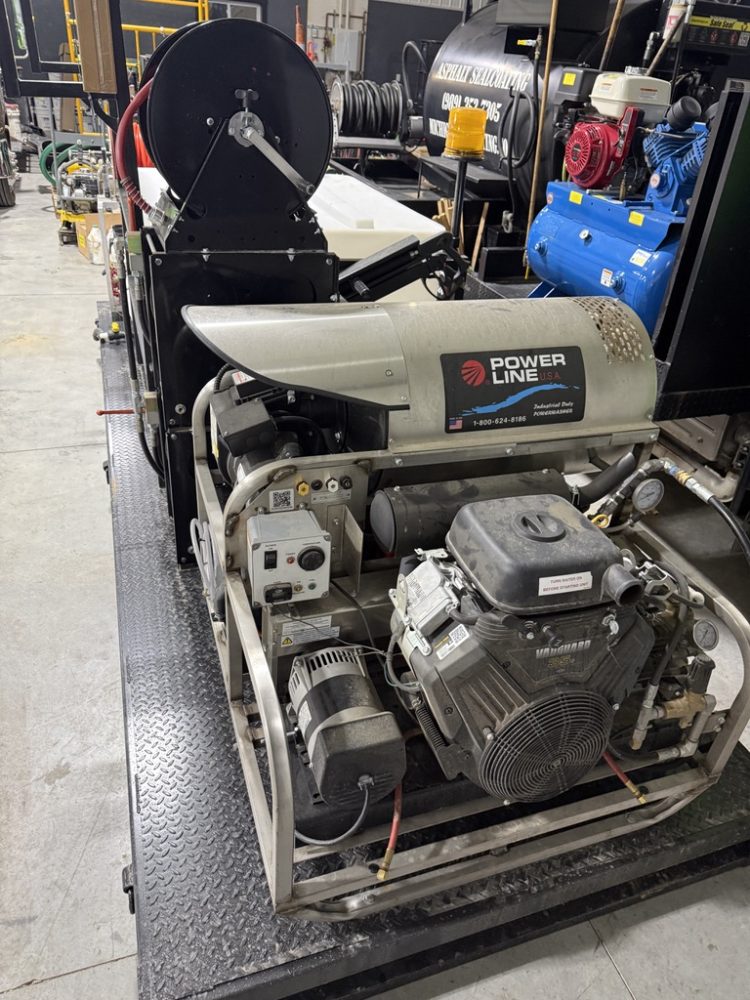
Some washers are mounted permanently in trailers, while others come on carts or skids.
What we pick depends on how often we load and unload equipment, how far we need to reach, and what fuel or connectors we have at each site.
1. Cart-style units are easy to roll around but limited in water volume
2. Trailer-mounted washers carry bigger tanks and spray longer but take more space
3. Skid-mounted versions stay secure during travel but need help to move onsite
We also think about hose length, power cord distance, and how weather might affect water lines.
Frozen hoses can shut down a winter job fast, so picking something that works for the whole season is always smart.
If we work across different sites or need to fit into tighter areas, portability really starts to matter.
Having options helps, especially when jobs keep changing.
Some crews use portable units for quick tasks and trailer-mounts for bigger, recurring jobs.
When considering all setup needs, it’s a good idea to plan how equipment will be transported, not just how it will be used.
Customers can find industrial washers from B & E Seal Coat Products available in pressure washer carts, portable units, and heavy-duty trailer-mounts to match nearly any work environment.
Durability and Maintenance Matters
Working gear sees a lot of wear. That’s why we look closely at how an industrial power washer is built.
From the frame material to the pump type, we check for signs it can hold up under tough, daily work.
• Steel frames stand up better long term than cheaper plastics
• Triplex pumps tend to last longer with consistent pressure
• Reinforced hoses and solid fittings help avoid leaks or bursts
Even good gear won’t last forever, but solid design can stretch out the time between fixes.
We also think about how easy it is to change worn parts, like valves or O-rings.
Machines that let us get inside for quick repairs keep us moving, especially in colder months when breakdowns are harder to deal with.
Longevity is also improved by following basic maintenance schedules and keeping the washer clean after use.
When we invest in durable equipment, we spend less time worrying about surprise repairs and more time focusing on getting the work done efficiently.
Why Timing Is Key When Planning Purchases
Winter tends to be the season with fewer outside jobs.
That’s when we have time to take a closer look at what kind of upgrades or replacements make sense before spring.
If we need new gear, ordering and setting things up early can save stress later.
• Slower months give us more time for setup, staff testing, or getting familiar with features
• Early planning helps catch any supply delays before peak season
• Spring hits fast, and we’d rather be cleaning than scrambling to find working gear
Rushing a big equipment decision the week before jobs pick up again usually leads to regret.
We use this stretch of the year to look ahead, talk with crew members about what’s needed, and make choices that hold up once the pace speeds back up.
Timing isn’t just about ordering early, though.
It’s also about having time for proper setup, adjusting for training, and working out any kinks before the season gets busy.
Simple steps like this can make a huge difference during the busiest parts of the year.
Making Your Investment Last
Not every power washer works for every job, and figuring out which machine fits best can really affect how smooth our work goes.
We think about not just specs, but how our crews actually use the equipment. When everything matches up, we make fewer passes, do less cleanup, and move to the next task faster.
Understanding your crew’s feedback, monitoring breakdowns, and tracking what tasks took longer than expected can all give clues about when and why to upgrade.
Minor adjustments, like getting tougher hoses or adding spare nozzles, help maintain productivity over time.
B & E Seal Coat Products also sells repair and replacement parts for our washer models, helping you extend the life of your investment with fast maintenance if something ever wears out or needs a quick fix.
Picking the best setup helps protect surfaces, cut down rework, and keep machines running longer.
Whether we’re cleaning before sealcoating or washing down winter buildup, having the right washer on hand makes hard tasks feel a little easier, for every season.
At B & E Seal Coat Products, we understand how critical it is to have cleaning gear that holds up against tough jobs and changing seasons.
The right equipment can save valuable time and reduce wear on your crews and surfaces. Whether you’re tackling road grime, grease, or lingering post-winter debris, an industrial power washer can make cleanup quicker and more efficient.
Our team is ready to help you find the perfect setup for the way you work. Connect with us today to get started.
