

Table of Contents
Repairing asphalt is key to keeping roads and driveways looking great and staying safe.
Whether you’re dealing with a few small cracks or something bigger, choosing the right tools can make the job much easier.
Picking the best asphalt repair tools doesn’t just make the work simpler—it also leads to better, longer-lasting results. Imagine trying to fix a cracked driveway with nothing more than a kitchen spatula.
While a silly example, it highlights how having the right tools can make a world of difference.
Asphalt repair isn’t a one-size-fits-all type of job. The types of damage can vary from simple cracks to more significant potholes, each requiring specific tools.
When you have the right equipment, you can tackle these problems with confidence. The process becomes less overwhelming, and the repairs are more effective. With so many tools available, making the best choice can seem daunting.
However, finding the right tools is simpler with a bit of guidance and understanding of your needs.
Assessing Your Needs
Before starting a repair project, it’s important to understand exactly what you’re dealing with.
Are there just a few surface-level cracks, or are you looking at larger potholes that need more serious attention? Knowing the scope of your project can help you decide which tools you need to get the job done right.
Here’s how you can assess your needs effectively.
Types of Damages:
– Cracks: Small cracks can often be fixed with simple crack fillers and sealants.
– Potholes: These require more substantial tools and materials to ensure a proper fill, compaction and smooth finish.
– Surface Wear: This may need refinishing paving tools to bring the surface back to a uniform appearance.
Understanding the damage type is the first step to figuring out which tools you’ll need.
For small cracks, you might need a basic crack filler and a V-squeegee or a crack melter pour pot. For deeper potholes, you’ll need a shovel, asphalt lute,and a tamper or roller for compacting the material.
This cross-check helps in gathering the specific tools essential for various fixes, allowing you to make smarter choices for successful repair jobs.
Once you’re clear on your needs, you’re well on your way to ensuring a smooth repair process and durable results.
Must-Have Asphalt Repair Tools
Once you know the issues you need to address, it’s time to gather your arsenal of repair tools.
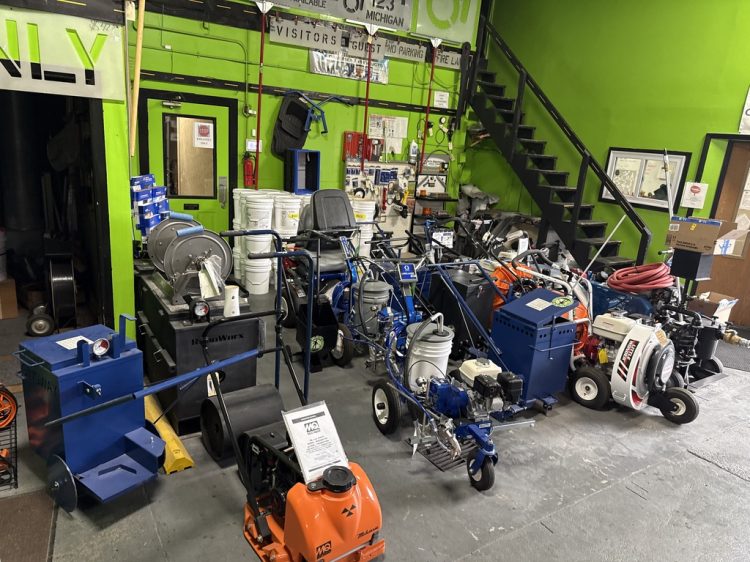
A well-equipped toolbox can make your asphalt project a whole lot easier. Here are some must-have tools to consider:
– Crack Fillers and Sealants: These are your go-to for small cracks. They help prevent water from seeping through and causing further damage.
– Asphalt Rakes and Lutes: Perfect for spreading and leveling asphalt evenly. They ensure a smooth surface and ease the laying process.
– Asphalt Shoes, Tampers and Rollers: Essential for compacting the asphalt after filling wide cracks or potholes. This step is crucial to achieving a flat and durable finish.
– Infrared Heaters: Handy for softening the asphalt for repair. They offer a controlled heat source that helps in seamlessly blending new asphalt with the existing road or driveway surface.
Each of these tools plays a specific role in making sure the repair is not just competent but long-lasting.
They allow you to address a variety of repairs with precision, ensuring the asphalt surface looks good and holds up well over time.
Choosing Quality Tools
It might be tempting to cut corners when it comes to buying tools, but investing in high-quality equipment pays off in the long run.
Quality tools not only last longer but also make the process smoother, saving you both time and effort.
Here’s a quick guide on picking the best tools:
– Durability: Choose tools made from sturdy materials that can withstand repeated use.
– Ease of Use: Opt for tools that are user-friendly, reducing the likelihood of mistakes during repairs.
– Cost-Effectiveness: While initial costs might be higher, consider the long-term benefits. Durable tools reduce the need for replacements and repairs, saving money over time.
A bit of upfront investment can lead to more efficient work, resulting in roads and driveways that remain intact longer, despite various weather conditions and traffic.
Seasonal Considerations in Michigan
Michigan’s weather can dramatically affect any repair work being done.
Understanding how these patterns affect your project is vital for planning when to do repairs and choosing the right tools.
– Summer: Late July is a great time for repairs because the warm weather helps asphalt bind better.
– Winter Preparations: Consider sealing as October approaches to protect surfaces from ice and snow.
– Spring: Check for damage post-winter and plan for patching up potholes caused by snow and freezing temperatures.
Adjusting your repair schedule to align with Michigan’s weather ensures that your efforts last longer. It’s wise to prepare for different conditions and know when the best time is to work on a project for optimal results.
Taking these steps not only tackles current problems but also prevents future ones, making your investment worthwhile.
Keeping a keen eye on weather changes and having the right tools at your disposal will make your project successful and durable.
For those in Michigan ready to enhance the durability and appearance of their roads and driveways, exploring effective asphalt repair and sealcoating solutions is a smart step.
Trust B & E Seal Coat Products for a comprehensive selection of tools and supplies.
Whether you’re tackling minor cracks or addressing more serious surface issues, we have everything you need for a successful and lasting result.
Get in touch with us to learn more about our offerings and how we can support your next project.
